 Sivasspor Hub
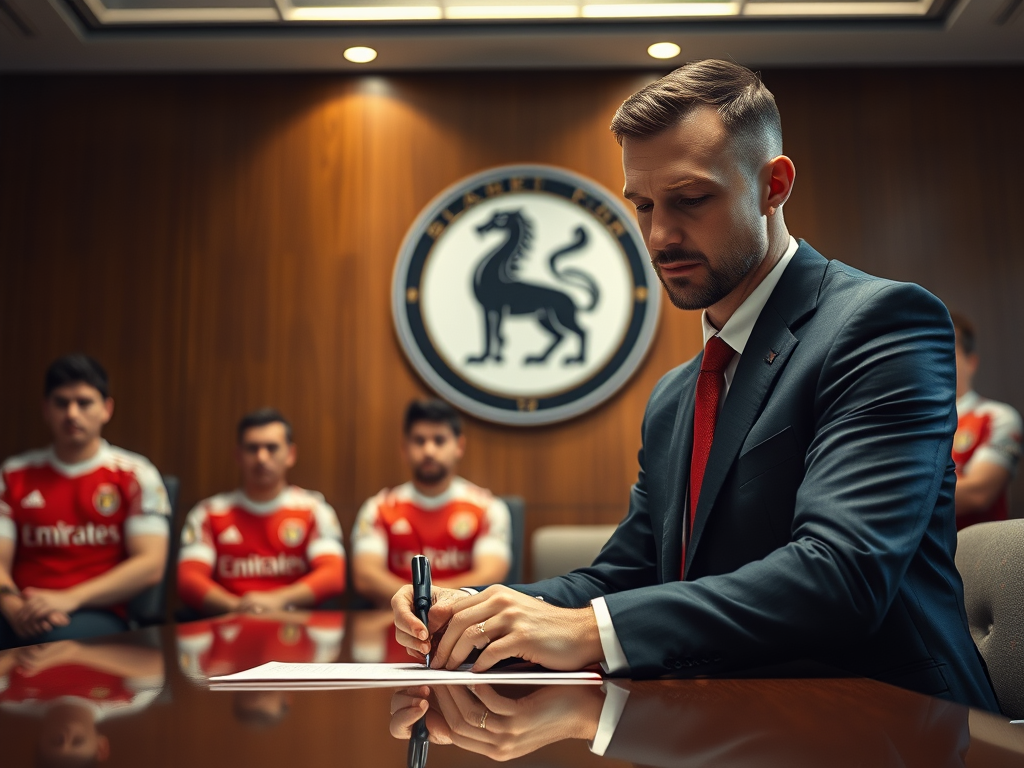
Sivasspor is facing a critical juncture in its history as FIFA has imposed a three-window transfer ban, effectively halting the club's ability to make any signings until further notice. This development not only puts pressure on the management but also raises concerns among fans regarding the team's competitive edge in the Turkish Süper Lig. As the club gears up for the upcoming season, the ramifications of this decision will echo throughout the organization.
Understanding the Transfer Ban
The transfer ban was officially confirmed in May, with FIFA citing various compliance issues related to player registrations and financial obligations. For Sivasspor, a club with ambitions to rise in the league standings, this ban poses a significant hurdle. With the transfer windows being pivotal for squad strengthening and strategic planning, the inability to bring in new talent could derail the club's objectives for the upcoming season.
- FIFA's ruling: Officially confirmed in May.
- Duration: Three transfer windows.
- Reason: Non-compliance with player registration and financial commitments.
The club has yet to publicly respond to FIFA's decision, leaving fans and stakeholders in the dark about potential appeals or remedial actions. The situation is further complicated by ongoing rumors about key players potentially leaving, which could exacerbate Sivasspor's woes if replacements cannot be secured.
Impact on Team Dynamics
The immediate impact of the transfer ban is likely to be felt heavily on the squad's morale and overall performance. Manager Rıza Çalımbay will face the challenging task of motivating his players while juggling the pressures of a restricted roster. With the current squad, the team must rely on cohesion and resilience to navigate the difficulties ahead.
Without new signings, maintaining the fitness and form of existing players becomes paramount. The coaching staff will need to innovate in training and match preparation to compensate for any potential gaps in talent and depth.
- Key players like Max Gradel and Musa Çağıran will have to step up.
- The importance of youth academy players could rise as the team seeks internal solutions.
- Player retention becomes crucial to avoid further weakening the side.
Historical Context and Comparisons
Sivasspor's current predicament is not unique in football. Various clubs around the world have faced transfer bans, often resulting from financial mismanagement or failure to adhere to regulations. For instance, clubs such as AC Milan and Barcelona have previously dealt with similar issues, which led to significant shifts in their team dynamics.
In the context of Sivasspor, the club has historically been a mid-table competitor in the Süper Lig, but recent seasons have seen a push for European qualification. The transfer ban could stall this momentum, leading to a re-evaluation of both short-term goals and long-term strategies.
Fan Reaction and Community Sentiment
Reactions from the Sivasspor fanbase have been mixed, with many expressing disappointment and frustration over the club's handling of player registrations. Social media platforms have been abuzz with discussions, ranging from calls for accountability from the management to concerns about the club's future.
- Many fans have taken to social media to voice their opinions, highlighting the need for transparency.
- There is a growing sentiment that the management must provide a clear plan for navigating the ban.
- Supporters are also concerned about losing key players without the ability to replace them.
The passionate Sivasspor community remains hopeful, yet cautious, as they await further news from the club regarding the situation. The upcoming general assembly meeting on May 19 may provide some clarity on the club's next steps and future plans.
Strategic Alternatives During the Ban
While a transfer ban can be limiting, it also compels clubs to innovate. For Sivasspor, the focus may shift towards internal development and maximizing the potential of existing players. This situation could present an opportunity to bolster the youth academy, promoting talented youngsters to the first team, thereby ensuring a continuous pipeline of fresh talent.
Additionally, the club could explore strategic partnerships with other teams for loan agreements or player exchanges once the ban is lifted. This could help maintain squad depth and competitiveness without needing to make permanent signings.
- Increased focus on player development from the academy.
- Exploring loan agreements with other clubs.
- Utilizing existing squad depth more effectively.
What's Next
As Sivasspor prepares to navigate this challenging period, the club's management will need to come up with a robust plan to cope with the implications of the FIFA transfer ban. The upcoming general assembly will be crucial for the board to communicate their strategy moving forward, ensuring fans remain engaged and informed.
In the meantime, the team must focus on maintaining morale and performance levels, drawing on the existing squad's strengths to compete effectively in the Süper Lig. With determination and strategic foresight, Sivasspor can weather this storm and emerge stronger in the long run.