 Sivasspor Hub
Sivasspor's Tactical Flexibility: Adapting to Recent Challenges
As the Yiğidolar navigate the Turkish League, their recent form has revealed both strengths and areas needing improvement. While Sivasspor has shown resilience and a fighting spirit, tactical flexibility appears crucial to address ongoing challenges and secure a more consistent performance.
Current Tactics: A Brief Overview
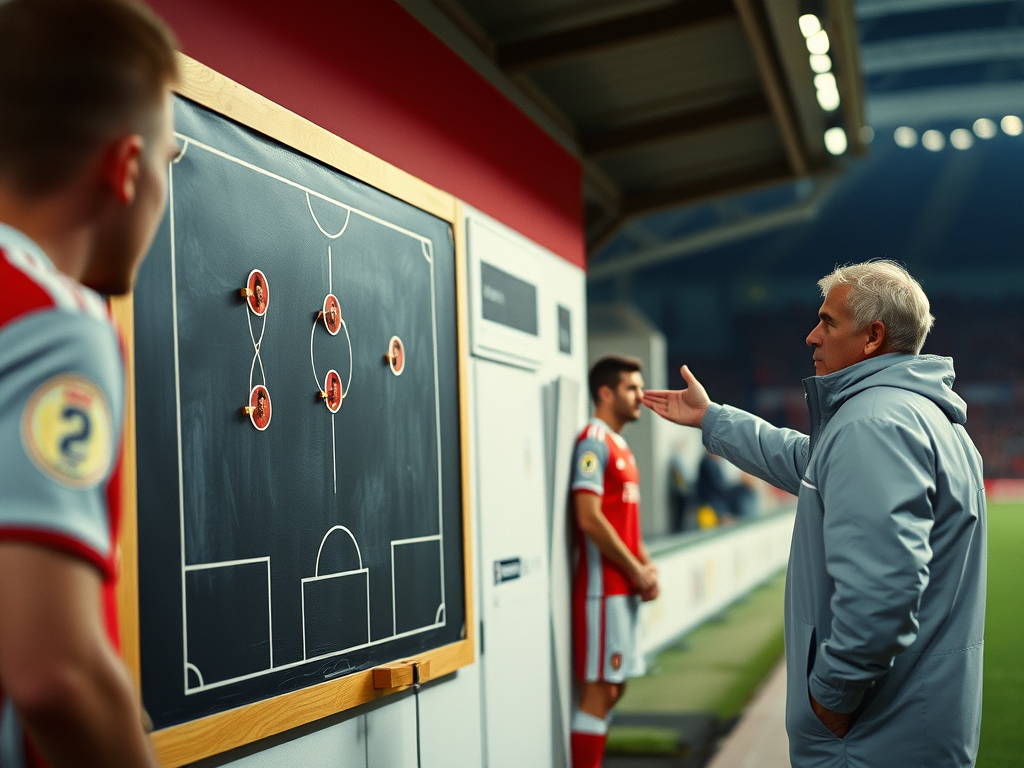
Currently, Sivasspor employs a 4-2-3-1 formation, relying heavily on the midfield duo to control the tempo of the game. This structure allows for both defensive solidity and attacking prowess, with the wingers tasked to stretch the opposition's defensive line. However, recent matches have highlighted a tendency to become predictable in attack, making it easier for opponents to stifle their offensive threats.
One area where Sivasspor has excelled is in their pressing game, particularly in the opponent's half. The front four demonstrate an impressive work rate, often forcing errors from defenders. Nevertheless, when transitioning from defense to attack, the team has struggled to capitalize on these turnovers, often leading to missed opportunities.
Suggested Tweaks for Improvement
To harness the potential of their pressing game and improve their attacking transitions, several tactical adjustments could be beneficial:
1. Fluidity in Midfield: While the current midfield duo provides stability, introducing a more dynamic third midfielder could enhance creativity and fluidity. A more advanced playmaker could exploit spaces left by opponents, allowing for quick combinations and through balls that can break defensive lines. This would create additional passing options and reduce predictability in their play.
2. Utilizing Overlapping Full-backs: Sivasspor's full-backs have shown glimpses of attacking intent, but their involvement needs to be more pronounced. Encouraging them to make overlapping runs could stretch defenses and create width, providing the wingers with more space to operate. This tactic would also draw defenders out of position, allowing for central penetrating plays.
3. Rotational Offense: Implementing a more rotational offensive structure could disrupt opposing defenses. By encouraging the wingers and the attacking midfielder to interchange positions regularly, the team can create confusion and mismatches against defenders. This fluidity would not only enhance creativity but also open up opportunities for late runs into the box from midfielders.
4. Defensive Cohesion During Transitions: One of the critical areas where Sivasspor has faltered is during defensive transitions after losing possession. Ensuring that players maintain compactness and awareness as they transition between offensive and defensive phases is vital. This could involve designating a player (perhaps the deeper midfielder) to act as a pivot, remaining alert to cover counter-attacks while the rest of the team regains shape.
5. Set-Piece Strategies: Sivasspor should also consider enhancing their set-piece strategies. Given the physicality of their forward players, a more varied approach to corners and free-kicks could yield significant benefits. Training focused on rehearsed movements and exploiting mismatches in height or positioning can capitalize on these opportunities, especially in tightly contested matches.
Conclusion
Sivasspor has the foundation of a competitive side, with talented players capable of executing a versatile tactical approach. By implementing these suggested tweaks, the Yiğidolar can enhance their adaptability on the field, create more goal-scoring opportunities, and ultimately improve their league standing. As they prepare for upcoming fixtures, the focus on tactical flexibility will be essential in unlocking their full potential.